


The irony is rich: you are enveloped by God – the very source of the eternal light – and you cannot perceive Him. Darkness envelops your very being. I find myself there, once again.
I first experienced this darkness several months ago. In the aftermath, I searched for someone, anyone, who had experienced what I had just gone through. I found it first in St. John of the Cross.
Dark Night of the Soul, St. John of the Cross, Book II, Chapter 16, Section 11
“All these particularities (which are for the security and safekeeping of the soul) are caused by this dark contemplation, because it brings the soul nearer to God. For the nearer the soul approaches Him, the blacker is the darkness which it feels and the deeper is the obscurity which comes through its weakness; just as, the nearer a man approaches the sun, the greater are the darkness and the affliction caused him through the great splendour of the sun and through the weakness and impurity of his eyes. In the same way, so immense is the spiritual light of God, and so greatly does it transcend our natural understanding, that the nearer we approach it, the more it blinds and darkens us.”
St. John’s words resonated with me. The exact mechanism is in a realm we cannot fully understand, but his description matched my experience then, and has brought comfort as I have experienced what I have come to call the darkness of proximity several more times in the past several months. His words, and over time the words of others like St. Teresa of Avila, Pseudo-Dionysius, and the unknown author of “The Cloud of Unknowing,” offer their own version of this experience. Some also offered a warning: do not assume all melancholy or despair is this darkness of proximity, and don’t allow others to reduce darkness of proximity to what we would today likely call depression.
Having endured over two decades of treatment-resistant major depression before having it lifted from me, and now several periods of darkness of proximity, I’ve noticed patterns that may help in the effort to distinguish one from the other.
Depression is an internal darkness, one the person suffering can be aware of, and sometimes see beyond. Even when it seems inescapable, some can remember the light before the depression.
But the darkness of proximity is an enveloping and penetrating darkness, a darkness without escape. In fact, it is a darkness without a “before” attached to it. It is not simply a deviation from a normal known for years; it is a different normal trying to enter my life. There is no reference point to a before or after.
In depression, numbness can yield for a time and allow love to return, if slowly, begrudgingly. In darkness, love can be lost. But when it returns it washes over the suffering, as if the darkness was the sand beneath the waves on a beach.
Why the difference? My guess is this: in the darkness God is working to replace the old self, the old experience of love, with His love, pure and powerful. This does not happen all at once (thankfully) but happens again and again until the old manner of loving is no more. The feeling of love that originates in us is replaced by the experience of love that flows from God through us. When God completes the latest exchange of the mechanism of love, it can return quickly and powerfully. That return can serve as an antidote to the darkness of proximity.
If too much time is spent in depression, one may grow reluctant to come out of it. The hope of obtaining a sense of light for a period of time is crushed by the severe pain of falling back into depression. Each cycle is a reminder of what is lost during the descent. The repeated cycle of ascent and descent can become more painful than the numbness of sitting in the depression.
I am not encouraging surrender to depression – I want everyone to find a way out. But the experience is real.
In darkness of proximity the only hope is release by the darkness back into the light. There is no peace here. There is no comfort in embracing the state of darkness. It pushes against the very definition of who I am, and I fear that is the point – it seeks to destroy the old to make room for the new, to exchange some part of who I was with the person God wants me to be. It is God’s work, likely via the Holy Spirit, that is overwhelming my senses until darkness is all that remains.
Another pattern: in depression, there is a familiarity. After a while one can develop a perverted sense of comfort in depression, even in the midst of the frustration and the knowledge of what it is stealing from life. But in darkness, there is only disorientation. In darkness there is only obedience and waiting. Lots and lots of waiting.
No matter how many times I enter, the disorientation persists.
I’ve noticed something new in this latest darkness. The ability to maintain movement.
In depression, movement of any kind requires tremendous effort. Getting out of bed, making a meal, conversing with someone can be overwhelming. Stillness is not productive, it is protective.
In darkness, the required stillness takes on a feeling of producing something. The first period of darkness I experienced, I spent the better part of three days curled up in bed. There was no activity outside of the physical necessities. I didn’t read. I didn’t journal. None of my old distraction tricks held appeal (media, going outside, walking, drinking, etc.). There was no escape, only surrender. I see how this can sound exactly like depression, but in fact it felt very different. There was none of the mental gymnastics of depression. The downward spiral was not there. But the end result felt the same. It was as if I was nearly instantly at “the bottom” without the spiral.
The other difference between the darkness and my depression was the lack of any sense that “if I only did [fill in the blank]” I could escape the darkness. That thought never entered my mind.
The despair was real in the darkness. In the first darkness there was absolutely no hope of an escape, no sense of an end for me. But as I experienced more periods, I came to know, via intellect, that an end was inevitable, even when I could not sense the escape in the midst of the darkness.
The only perceived ask in the darkness, when there was one, was to surrender even more fully, obey what was shared (very little in the early darkness periods), continue to trust, and finally to lean in toward God even when He is imperceivable. This is where the writing of St. John helped me the most: in the midst of the darkness, do not move away from God.
So I called out. I lamented. I begged. But I did not move away.
But this current period of darkness has been unique. Some movement has been allowed. Included in the quiet. This writing, for example. Work on another project I felt was part of my path from before the darkness (the Exchanged Library you’ll find in the links above). And now, as I write and work, I can feel the darkness waning. Thankfully. Not because of the work, but alongside it. In this darkness I’ve experienced resentment toward the secular life, the needs of the physical body, the attachments to the world. But movement along the path seems possible.
I have known both depression and darkness. If given the choice on which I’d rather endure, I fear I’d choose depression, because the disorientation of darkness is the most challenging thing for my logical brain. But if asked which I know has purpose, without question I choose the darkness of proximity. It is God’s work, and the result is increased proximity to and knowledge of God.
May God’s work in you be your reward for obedience and surrender.
Search all posts
This Post
Other Posts
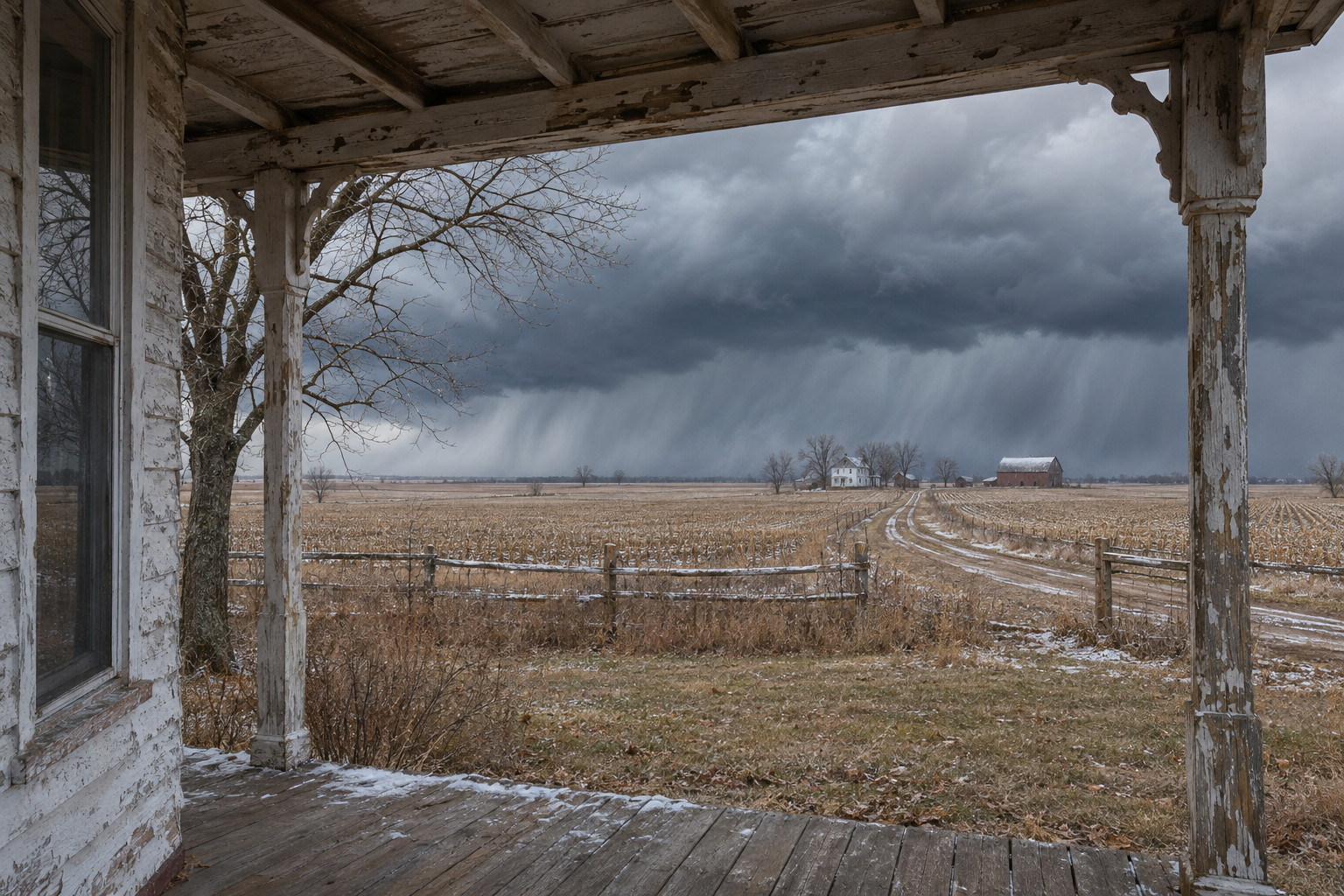
aka: The Looming Storm
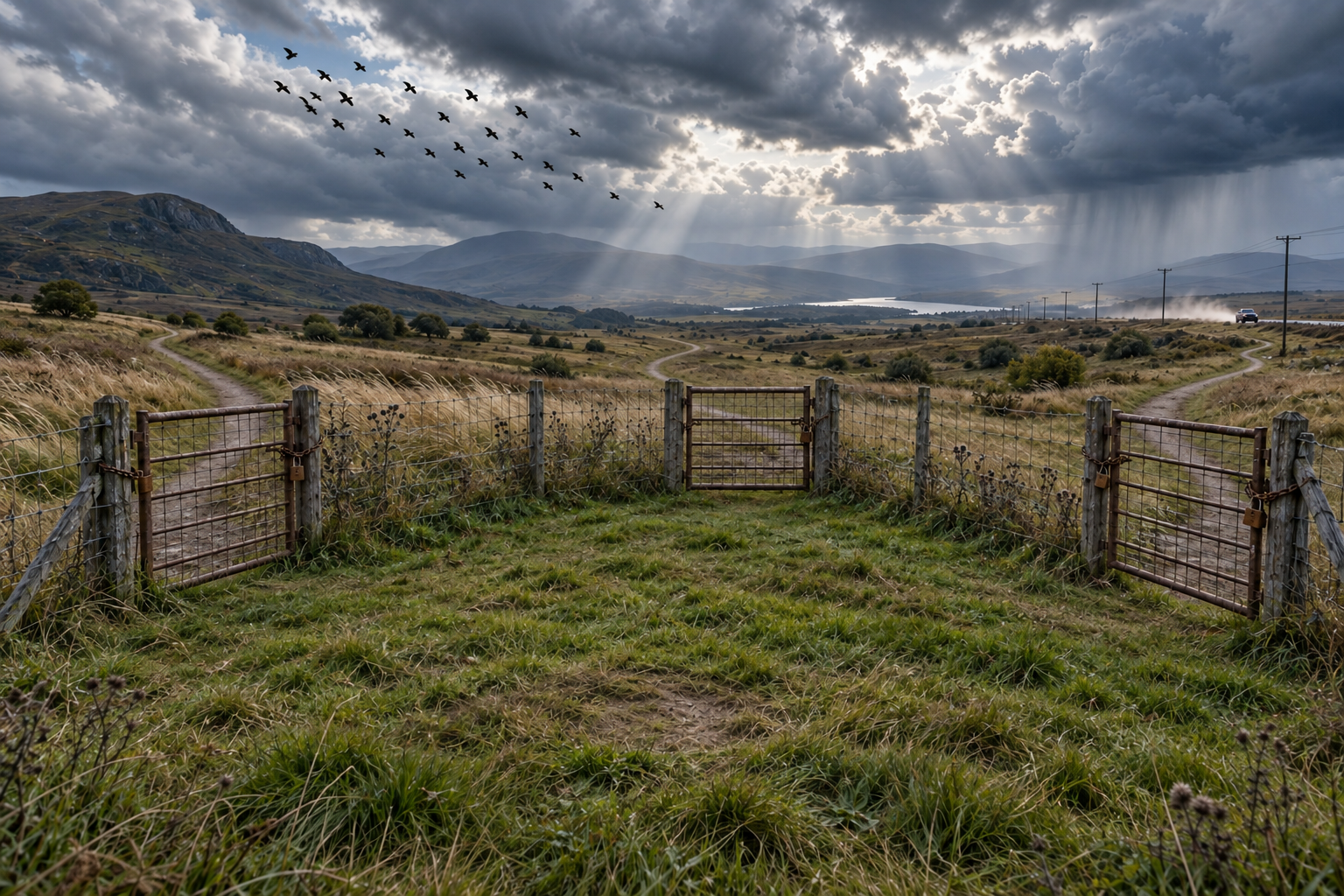
aka: When All the Gates Are Closed
Related Posts
-
aka: The Looming Storm
-
aka: When All the Gates Are Closed
Given I operate a non-profit Christian community and other entities, I feel compelled to offer this disclaimer: The opinions expressed on the BFAdams.blog site are my personal opinions. My posts about secular issues are not reflective of the position or leadership of any entity I may be involved with.
And Jesus said to them, “Render to Caesar the things that are Caesar’s, and to God the things that are God’s.” And they were amazed at Him. – Mark 12:17